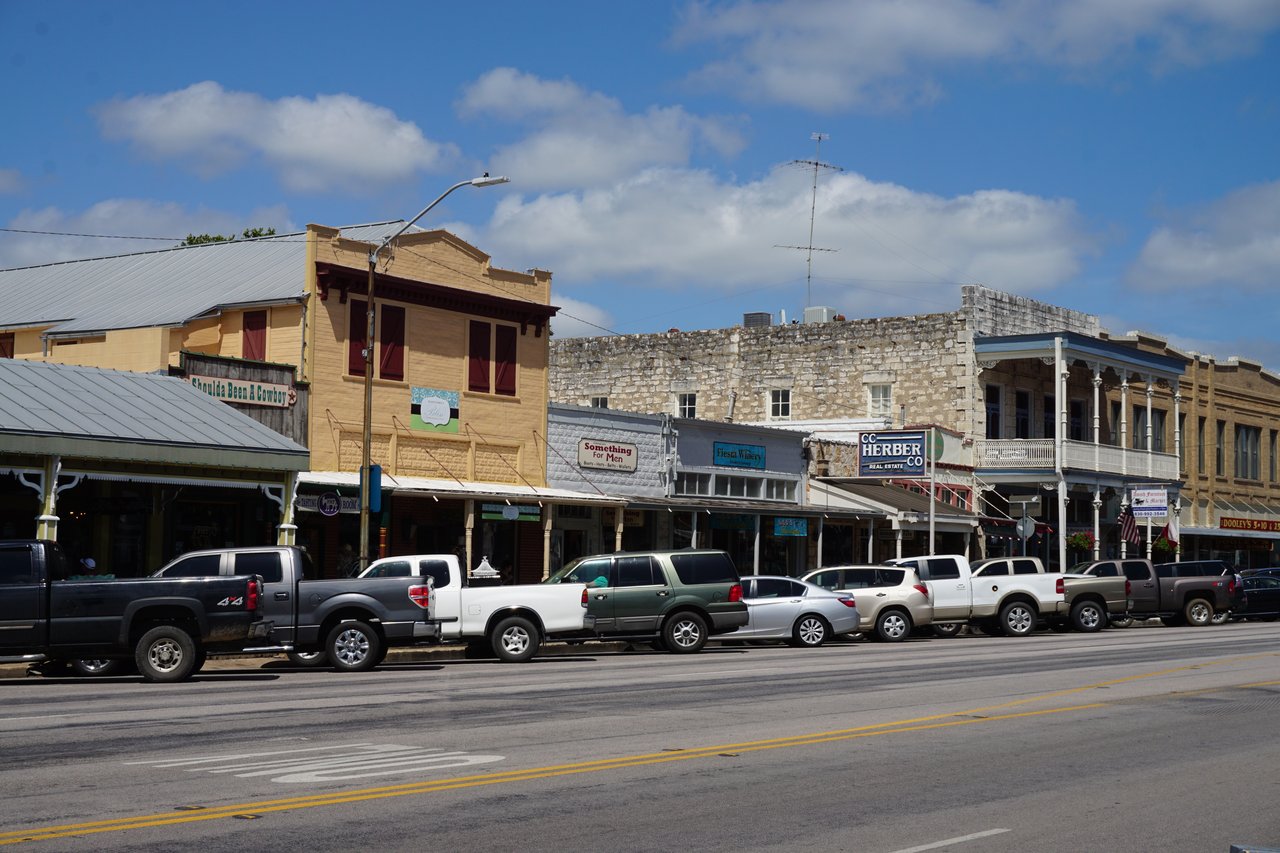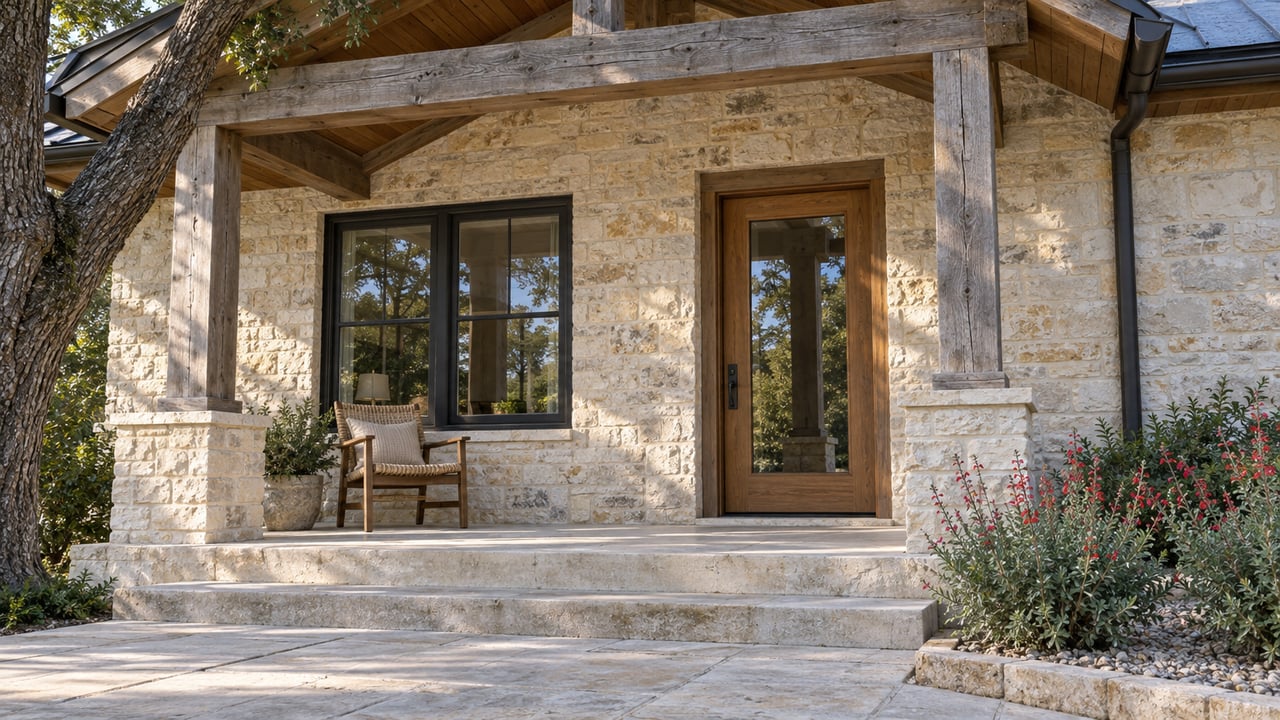
The house at 1513 Murray Lane dates to about 1927 and counts as a contributing building in the Old West Austin National Register Historic District. Its demolition application first came before Austin's Historic Landmark Commission on December 3, 2025, and the commission postponed it. In January the applicant asked for a postponement. On February 4, 2026, the commission approved the demolition on its consent agenda by an 11–0 vote, with no move toward landmark zoning.
Most buyers who see "historic district" on a disclosure picture something stricter than what Murray Lane went through. Large parts of Pemberton Heights, Old Enfield, Clarksville and the blocks around West Lynn sit inside National Register districts. Unless a property also carries local historic zoning, the review it triggers mostly sets how long a project takes and how its replacement is designed. The review rarely decides whether the project happens at all.
Two Rulebooks Share One Map
Austin's Historic Preservation Office says local designation gives the strongest protection the city offers. A National Register listing is a different instrument. For a contributing building inside one of these districts, the Land Development Code allows a specific delay and almost nothing beyond it.
The provision is §25-11-213 of the Land Development Code. The preservation office's summary describes how it works. For a contributing structure in a National Register district, the commission either votes to initiate historic zoning or the city must release the permit within 180 days of receiving a complete demolition application. The office calls the commission's "only recourse" against a permit the initiation of historic zoning. Outside National Register districts the window is shorter. The permit must be released within 75 days of the first commission meeting where the application appears. A September 2026 commission packet cites the same 180-day clock, so the rule is current.
Initiating landmark zoning is a high bar. A property must meet at least two of the designation criteria in LDC §25-2-352, which cover architecture, historical associations, archaeology, community value and landscape features. If the owner objects, Texas Local Government Code §211.0165 requires a three-fourths vote of both City Council and the commission. A house can add to a district's character and still fall short of two criteria on its own. In September 2026, staff reached that conclusion about a well-preserved 1927 bungalow in another National Register district, Travis Heights-Fairview Park.
There is a second layer. Even for buildings with no designation at all, the preservation office reviews exterior changes to any building 45 years or older and refers potentially significant ones to the commission. In Pemberton Heights or Old Enfield, nearly any visible change to an older house goes in front of someone.
How a Demolition Moves Through the Commission
The Murray Lane file, case PR-2025-103903, shows the steps in order:
- Application filed. The 180-day clock starts only when the application is complete. An incomplete filing does not start it.
- First hearing, December 3, 2025. The commission postponed the case.
- January 7, 2026. The applicant postponed.
- February 4, 2026. Approved on consent, 11–0. Staff recommended approval once the applicant completed a City of Austin Documentation Package, while encouraging rehabilitation, relocation or salvage.
- After approval. The demolition permit stays on hold until the commission has reviewed plans for the new construction. Subsection (J) of the code requires that review for any contributing structure in a National Register district.
Step five matters most to a buyer. Demolition and new construction are linked. Until the replacement design is drawn and reviewed, the old house cannot legally come down. A teardown buyer is effectively buying a design process as well as a lot.
Compare the timing to the broader market. In July 2026, the average Austin-metro listing spent 63 days on market, according to Unlock MLS figures reported by KXAN. The commission's outer limit of 180 days is close to three times that. Once a buyer owns a contributing house, the review can take longer than the purchase did.
Where the Commission Puts Its Effort
Because the commission can rarely stop a demolition, most of its influence goes into design. This year's cases near West Lynn and in Pemberton Heights show it at work.
611 West Lynn Street is in the West Line National Register Historic District. The proposal is eight detached homes on a lot that has been vacant since the original house was demolished in 2020. Five homes would face a new center driveway and pool area, and three would face the rear alley. Each is designed to be at least three stories, taller than the surrounding contributing houses except the Sheeks-Robertson House across the street. After the August 12 Architectural Review Committee meeting, the builder, Cedar, sent the commission specific changes. They raised window sills from floor level to 1'-6", replaced large single windows with groupings of three and simulated divided lights, switched one stair bulkhead from stucco to terra cotta, and added porch details to the street-facing units. The Old West Austin Neighborhood Association objected that the scale and setback did not suit the block and pointed to the cottages at 613, 615 and 617 West Lynn. The commission postponed the case on August 5 and again on September 2.
1614 Preston Avenue is a stone-clad, single-story house at the corner of Preston and Jefferson in Pemberton Heights, on a lot of about 8,250 square feet zoned SF-3-NP. The city's September packet described the proposed second story as roughly doubling the house and listed removing or covering the stone and demolishing the front porch. The owner disagreed. Their presentation said the foundation footprint grows by 34 square feet, living area rises 51% to 3,300 square feet, and the existing porch stays. Two parties read the same drawings and described them differently. Anyone planning an addition should expect the city's description of the project to become part of the record.
Both cases are on the October 7, 2026 agenda, three days from now. A third Old West Austin case joins them:
- 611 West Lynn St. Staff recommends commenting on the plans in line with Architectural Review Committee feedback and releasing the application.
- 1614 Preston Ave. Same recommendation. The owner presented to the Architectural Review Committee on September 10.
- 2107 Hartford Rd. A new application to demolish a contributing building. Staff recommends approval after a documentation package, with commission review of the new construction drawings before the permit is released.
None of these has a decision yet. In each case staff recommends release rather than landmark zoning. That matches Murray Lane and 1608 Pease Road, where the commission approved a new two-story home 10–0 on December 3, 2025. The Pease Road home replaces a 1976 duplex whose demolition had already been approved.
What to Price Into an Offer
If outright refusal is uncommon and delay and redesign are routine, the risk of buying a contributing house in these districts becomes something you can estimate. The useful questions for due diligence follow from the cases above.
First, find out whether the house is contributing to its National Register district. Contributing status brings the 180-day window and the requirement to review new construction before demolition. The docket also shows smaller projects in review, such as the two-story rear addition and new garage proposed at 3209 Kerbey Lane. Second, plan the architecture early. A demolition permit cannot be released until the replacement plans have been reviewed, so design time and review time run together rather than one after the other. Third, budget for at least one round of revisions. The West Lynn and Preston files show that the Architectural Review Committee's comments on massing, glazing and porches lead to real redrawing.
The City of Austin's HOME rules add another set of options without removing the historic review. Phase 1 allows up to three units on SF-1, SF-2 and SF-3 lots. Citywide, the city counted 904 Phase 1 applications reviewed and 1,421 units approved in its September 8, 2026 update, with eight projects using the preservation bonus. HOME does not override a property's deed restrictions or covenants, so the title documents still matter. As 611 West Lynn shows, a multi-unit plan on a district lot still goes before the commission.
This is a general description of how the process works and is not legal advice. A land-use attorney or architect should review any specific property.
Frequently Asked Questions
Can neighbors stop a demolition in the Old West Austin district?
Neighbors and the Old West Austin Neighborhood Association can comment at public hearings, and those comments influence design reviews like the one at 611 West Lynn. Formally blocking a demolition takes the commission initiating landmark zoning. If the owner objects, that requires a three-fourths vote of both Council and the commission.
Does the 180-day review apply to every older house in Pemberton Heights?
The 180-day window in §25-11-213(G)(4) applies to contributing structures in a National Register district. The preservation office reviews exterior changes to buildings 45 years or older citywide, and demolitions outside National Register districts follow a 75-day release timeline.
Is local historic zoning the same as being in a National Register district?
No. The city describes local designation as its strongest protection. The active Old West Austin cases on the commission's 2026 agendas are National Register district reviews.
If you are weighing a contributing house in Pemberton Heights, Old Enfield or Clarksville and need to know what a renovation or rebuild would actually involve, Susan Barringer can help you think through the timeline, the review and the right team before you write the offer. Work With Susan.