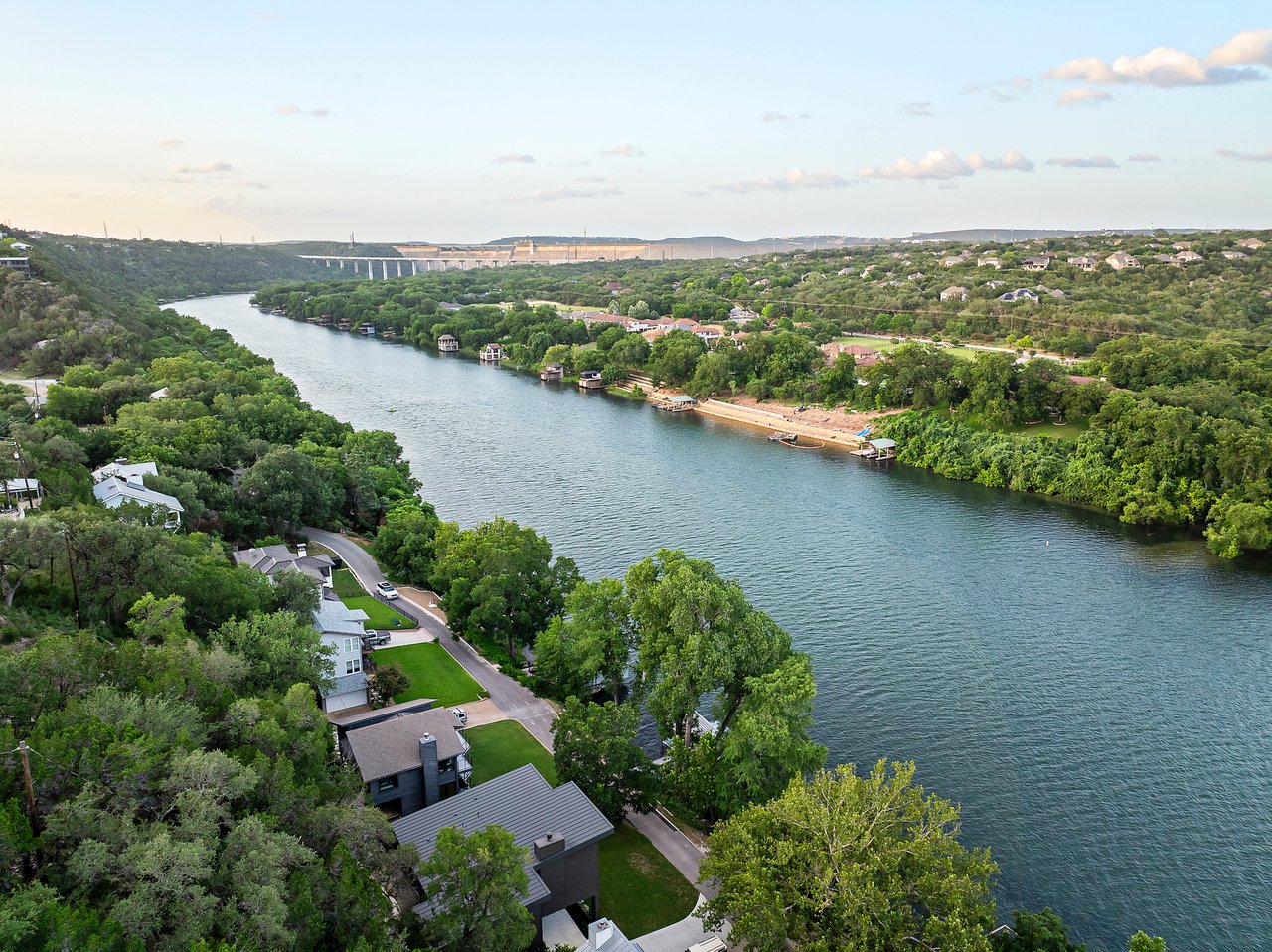
Under the plan announced in August, Lake Austin would be close to empty by now. The City of Austin and LCRA scheduled a 10-foot drawdown between Mansfield Dam and Tom Miller Dam from October 12 through November 30, 2026. The target elevation was 481.8 to 482.8 feet above mean sea level, and LCRA expected the lake to take about three weeks to get there. The plan also called for closing public boat ramps and banning swimming at Emma Long Metropolitan Park.
It never started. On September 24, the City announced it would not go ahead with a 2026 drawdown, pointing to concerns about the fall wedding season, University of Texas football and Formula 1. The lake is still at its normal level. Under LCRA's current rules, the next drawdown request will run into the same fall calendar.
A Window That Shrank to Two Months
Lowering Lake Austin used to be routine. The City's August 20 memo to Council says drawdowns took place eight times between 2001 and 2011. Each dropped the lake about 10 to 12 feet, and each took about seven weeks from full lake back to full lake. Past drawdowns happened in winter. Only one has happened since 2011, in January and February 2017.
Winter Storm Uri changed that. As CBS Austin reported, LCRA adopted a policy after the 2021 storm that rules out drawdowns from December 1 through March 1. The goal is to keep the full capacity of the hydroelectric generators on the Highland Lakes dams available to the Texas power grid in cold months. The City's memo states the result directly. The available time frame for a Lake Austin drawdown is "within the months of October and November."
The memo adds a second limit. In line with LCRA's recent practice, future drawdowns will be considered no more often than once every four years under normal operating conditions. The lake once had a winter drawdown about every year and a half. Now it has, at most, one fall opportunity every four years, and those are the weeks the lake's businesses depend on most.
What October and November Mean at Oyster Landing
Business owners spelled out the cost of that window at City Council on September 10. Ken Leonard, co-owner and partner at Mozart's Coffee Roasters, told CBS Austin that the businesses based at Oyster Landing, including Hula Hut, Quince, Lake Austin Calm, Austin Rental Boats, Mozart's and the marina, faced a combined loss of 200 jobs and $2.5 million in economic impact over the six weeks. Those are the owners' own estimates. These businesses sit side by side on one stretch of shoreline, and every one of them needs water at the dock.
Shawn Smith, who owns Austin Rental Boats and the Lake Austin Lights holiday show, explained to CBS Austin why fall is so important:
"We have a lot of business that comes out for ACL. We have lot that come out for Formula 1. We do the Christmas light show, Lake Austin Lights, on Lake Austin, and we have thousands of people that come out and enjoy that over the holidays. And then this shutdown drastically reduces that, if not eliminates that."
KXAN reported that Smith projected about $315,000 in lost revenue across his companies. This year Lake Austin Lights is set to operate out of Hula Hut, and he said the shortened access window put the event at risk of cancellation. In the same KXAN report, David Callejas of Float On Boat Rentals said visitors in town for ACL, F1 and UT football come out to boat on the lake and shop along the water. "October is just one of the best times to be on the water," he said. He projected more than $100,000 in losses and about 25 captains out of work.
KVUE reached businesses farther up the lake. Adam Campbell, owner of Ski Shores Cafe, told KVUE that September and October are usually strong months and that a drawdown at that time needed much more advance notice. John Wolters, a captain with Austin Riverboats, told KVUE that the company had already canceled six weddings booked during the drawdown period.
Five Weeks From Announcement to Cancellation
Once the fall window ran into the fall season, the City looked for another date and could not find one that worked.
- August 20. The City and LCRA announce the October 12 to November 30 drawdown.
- September 10. Lake businesses testify at City Council. Councilmember Vanessa Fuentes tells CBS Austin she supports "moving the drawdown to a non-peak time."
- Mid-September. LCRA offers December 1 through January 15 as an additional option outside the usual October and November window. The City finds that this solves some concerns and creates new ones around holiday activities and seasonal business.
- September 18 and 22. The Lake Austin Stakeholder Group discusses business, tourism, recreation and wedding impacts. At its second meeting it fails to agree on whether to choose the December-to-January option or cancel.
- September 24. The City cancels the 2026 drawdown.
Stakeholders proposed January and February instead, the same months as every earlier drawdown. Lea Holubec, speaking for the Lake Austin Task Force, told KVUE that the lake has historically seen less use at that time of year. The City's cancellation memo says LCRA turned that down under the post-Uri winter policy, and that neither of the remaining 2026 options balanced the benefits of a drawdown against its effect on the community.
Who Was Counting on Low Water
The drawdown was requested to serve shoreline owners first. According to the August memo, its main purpose was to let property owners maintain docks and bulkheads and to allow dredging and debris removal. Austin Fire and Austin Parks & Recreation also had maintenance work that low water would have made easier. City staff had also planned to recheck the native Unionid mussels documented during the 2017 drawdown and were looking into a lake cleanup with community organizations. None of that is happening this year.
Some owners had already filed paperwork. The cancellation memo says the City received multiple permit requests and will work with each applicant individually on whether to proceed or seek a refund. Owners with a pending application should get their next step from the City directly. This post is general information and not legal advice.
The lake's vegetation issue also continues. The City reports that the June survey by Texas Parks and Wildlife found 575 acres of hydrilla and 75 acres of Eurasian watermilfoil on Lake Austin. Austin Watershed Protection released 2,790 sterile grass carp into the lake on May 1, 2026. A July 20 City memo said staff expected another fall stocking once the fall survey was reviewed. Without a drawdown this year, the carp program is the only active tool on the lake.
The Lake Through the Holidays, and What Comes After
For this season, the effect of the cancellation is simple. The water stays at its usual level, the ramps are open, and the Oyster Landing businesses keep their fall and holiday calendars. Lady Bird Lake was never part of the plan.
LCRA's lake lowerings page says it does not plan to lower any of its pass-through lakes in 2026, and that it will decide on any 2027 Highland Lakes lowering in late summer 2027 based on conditions at that time. If it follows the same rules, any 2027 Lake Austin drawdown would again fall in October and November.
If you own on Lake Austin and have been putting off dock or bulkhead work until the next drawdown, the timing of that decision belongs in your planning now. When you're weighing how shoreline condition affects a waterfront home's value or its sale timeline, Susan Barringer can help you plan it calmly and with full discretion.