If you are weighing Lake Austin against Lake Travis, you are probably not just choosing a house. You are choosing how you want waterfront living to feel day to day. In the 78734 area and greater West Austin lake market, the right fit often comes down to your routine, your budget, and how you plan to use the water. This guide will help you compare the two lakes with more clarity so you can move forward with confidence. Let’s dive in.
Lake Austin vs. Lake Travis at a Glance
Lake Austin and Lake Travis serve very different roles in the Austin area, and that shapes the ownership experience.
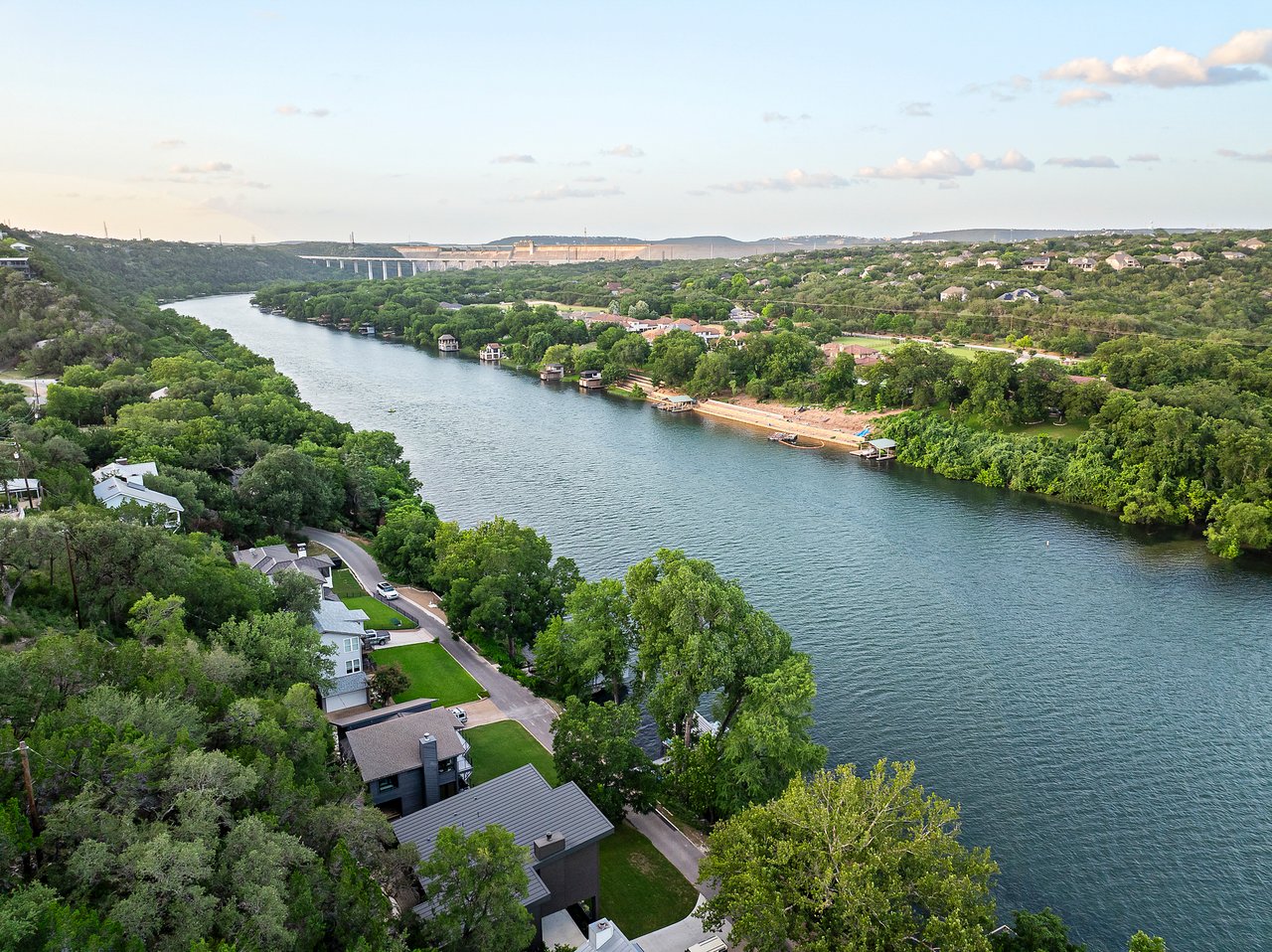
Lake Austin is a narrower, constant-level reservoir inside the City of Austin. It is also a major drinking-water source, and its shoreline is densely developed with residential properties. Lake Travis is a much larger impoundment about 12 miles northwest of Austin, built for flood control, water supply, irrigation, and hydroelectric power, with steep-sided terrain and much bigger water-level swings.
For you as a buyer, that often translates into a simpler question. Do you want a more predictable, close-in waterfront lifestyle, or do you want a broader, more recreational lake setting with more variability?
Why Lake Level Matters
One of the biggest practical differences between these lakes is water consistency.
Lake Austin water levels
Lake Austin is known for its constant-level profile. If your vision of waterfront living includes frequent dock use, easier day-to-day boating access, and a more predictable shoreline experience, this can be a major advantage.
Because the lake stays more consistent, waterfront features tend to feel like part of your daily lifestyle rather than something that changes dramatically with conditions. That predictability is one reason many buyers see Lake Austin as a strong fit for a primary residence.
Lake Travis water levels
Lake Travis can fluctuate significantly. Texas Parks and Wildlife notes that boat access is highly sensitive to water level, and public ramp availability can change sharply depending on conditions.
That does not make Lake Travis less appealing. It simply means you should go in with a clear understanding that your access, shoreline feel, and boating routine may look different from season to season.
Lifestyle Differences Between the Lakes
Your ideal lake choice often comes down to how you want to live, not just where you want to buy.
Lake Austin lifestyle
Lake Austin tends to feel more established, more private, and more tied to dock-centered living. Almost all shoreline is privately owned, and the residential edge is dense, which creates a more built-in waterfront environment.
For many buyers, this means a polished, close-in lifestyle where the water is part of everyday life. If you expect to use your boat often, entertain from your dock, or balance lake living with regular trips into central Austin, Lake Austin may align more naturally with your routine.
Lake Travis lifestyle
Lake Travis usually feels larger in scale and more retreat-oriented. The reservoir has relatively few shallow coves, more dramatic terrain, and broader public recreation access through parks operated by LCRA and Travis County Parks.
If you want a setting that feels more removed from the city, Lake Travis often delivers that sense of space. Many buyers are drawn to it for weekend use, second-home living, or a primary residence where recreation and separation from the urban core matter more than a short drive time.
Docks, Marinas, and Access
If waterfront ownership is a priority, this is where details matter.
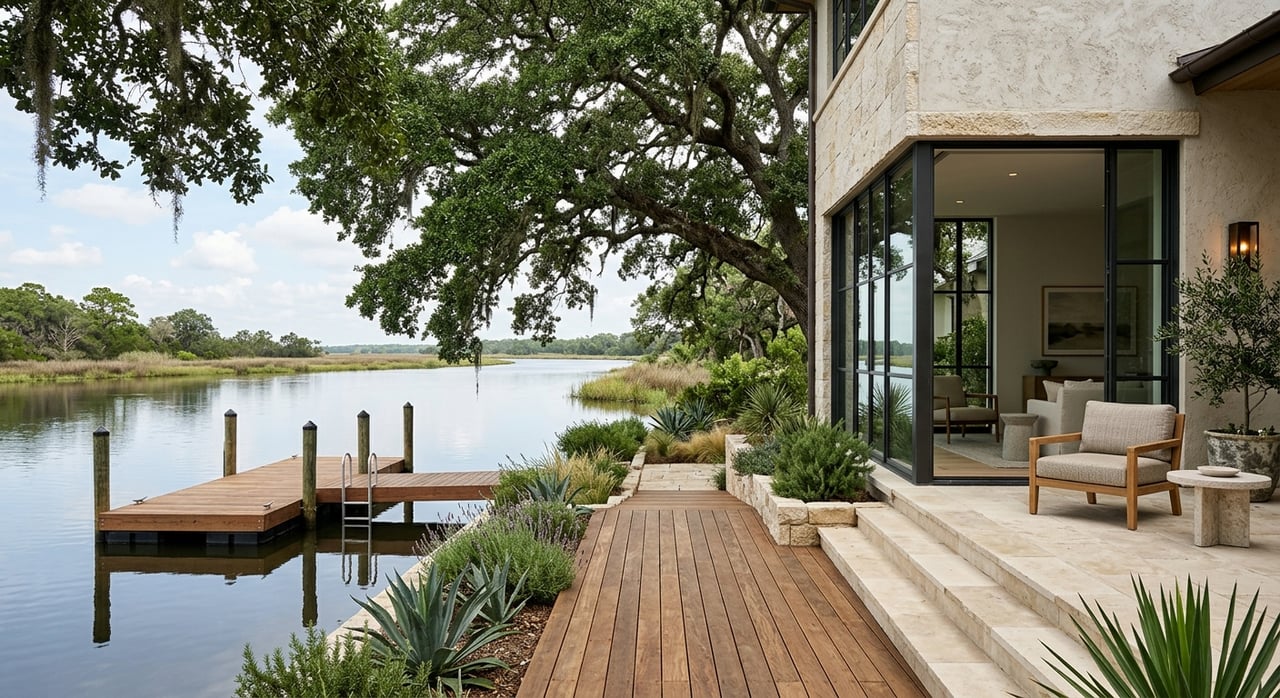
Lake Austin dock ownership
Lake Austin is highly private in terms of shoreline access. Texas Parks and Wildlife notes only a limited number of public ramps and access points, and almost all shoreline is privately owned.
The City of Austin also requires permit review for new or modified dock work on Lake Austin, and built docks must be registered. If a private dock is important to you, it is smart to evaluate not just the home, but also the current dock status and any future improvement plans.
Lake Travis docks and marinas
Lake Travis offers more public recreation infrastructure, but ownership comes with a different set of considerations. LCRA states that residential docks must meet Highland Lakes safety standards, and marinas must comply with the Highland Lakes Marina Ordinance and hold an LCRA permit.
LCRA also estimates there are more than 3,700 floating docks on lakes Travis and Buchanan. That scale highlights an important ownership reality on Lake Travis: maintenance, flood preparation, and water-level planning are not side issues. They are part of the decision.
What Waterfront Pricing Can Look Like
Price is often where the Lake Austin and Lake Travis conversation becomes most defined.
The broader 78734 market sits well below many true waterfront offerings. Redfin reports a May 2026 median sale price of about $664,803 in 78734, while Realtor.com shows a median listing price of $752,500. Redfin’s waterfront subset in 78734 shows 103 waterfront homes at a median listing price of $770,000.
Lake Austin price profile
Lake Austin waterfront examples currently skew much higher. Recent examples in the research include homes with estimated or listed values around $3.943 million, $4.6005 million, and $7.95 million.
That range reflects more than prestige. It also reflects close-in positioning, a limited shoreline, and the value many buyers place on private dock access and a more predictable waterfront experience.
Lake Travis price profile
Lake Travis in and around 78734 offers a wider range of entry points. Current examples from the research span about $1.05 million for a waterfront home, around $1.088 million for a waterfront condo, about $2.1002 million for a deep-water home, and up to $5.0 million for a larger estate with a private two-slip dock.
That broader spread can give you more flexibility. Depending on your goals, you may find options that support full-time living, a lock-and-leave setup, or a more recreational second-home plan.
Commute and Daily Convenience
Location matters just as much as waterfront features.
Lake Austin sits within the city and between Lake Travis and Lady Bird Lake. Based on that geography, it is generally the better fit if you expect frequent trips to central Austin, downtown, or the medical-center corridor.
Lake Travis is farther northwest, and that distance often supports a more getaway-style atmosphere. If you are comfortable trading commute convenience for more separation and a broader recreational environment, Lake Travis may feel like the better match.
Which Lake Fits Your Goals?
A smart lake decision starts with being honest about how you will use the property.
Lake Austin may fit you better if:
- You want a primary residence with dependable water access
- You expect to use a dock often, not just on weekends
- You value closer proximity to central Austin
- You prefer an established, close-in waterfront setting
- You are prepared for premium pricing in a limited inventory environment
Lake Travis may fit you better if:
- You want a more retreat-like setting
- You are open to water-level variability
- You want more price flexibility in waterfront options
- Marina access or public recreation matters to you
- You are considering a second home, lock-and-leave property, or lifestyle retreat
Questions to Ask Before You Buy
Before you choose a shoreline, it helps to narrow your priorities.
- How often will you commute into central Austin?
- Do you want a dock as a near-daily amenity or more of a weekend feature?
- How much water-level variability are you willing to tolerate?
- Is marina access more important than private dock use?
- Are you buying a primary residence, second home, or lock-and-leave retreat?
- How comfortable are you with dock, permit, HOA, and maintenance complexity?
Your answers can quickly point you toward the better fit. In many cases, Lake Austin suits buyers who value proximity and predictability, while Lake Travis appeals to buyers who want space, recreation, and a stronger sense of separation from the city.
Final Thoughts on Choosing Your Ideal Waterfront
There is no universal winner between Lake Austin and Lake Travis. The better choice is the one that fits your lifestyle, budget, and tolerance for complexity.
If you want close-in luxury, stronger day-to-day predictability, and a waterfront experience centered around private access, Lake Austin often stands out. If you want a broader range of options in 78734, more of a recreational atmosphere, and a property that feels like a true retreat, Lake Travis may be the stronger choice.
When you are comparing waterfront homes, the details matter. Dock rules, water access, location, and long-term usability can affect value just as much as square footage or views. If you want strategic guidance on waterfront opportunities in Austin, Lakeway, or the surrounding Hill Country, Susan Barringer - Main Site offers the local insight and polished support to help you evaluate the right fit.
FAQs
What is the main difference between Lake Austin and Lake Travis for homebuyers?
- Lake Austin is a constant-level, more close-in reservoir with dense residential shoreline, while Lake Travis is larger, farther northwest, and more subject to major water-level fluctuations.
Is Lake Austin or Lake Travis better for boating access?
- Lake Austin is generally more predictable for day-to-day dock and boating use, while Lake Travis offers broader recreation access but can be much more affected by changing water levels.
Are waterfront homes in 78734 cheaper on Lake Travis than Lake Austin?
- In the research examples, Lake Travis shows a broader and generally lower entry range, while Lake Austin examples skew notably higher, often in the multi-million-dollar luxury segment.
Do Lake Austin and Lake Travis have different dock rules?
- Yes. Lake Austin dock work may require City of Austin review and dock registration, while Lake Travis residential docks must meet LCRA Highland Lakes safety standards and marina operations follow LCRA rules.
Which lake is better for a primary residence near Austin?
- Buyers who want more frequent access to central Austin and more predictable waterfront use often lean toward Lake Austin, while buyers seeking a more retreat-like feel often prefer Lake Travis.