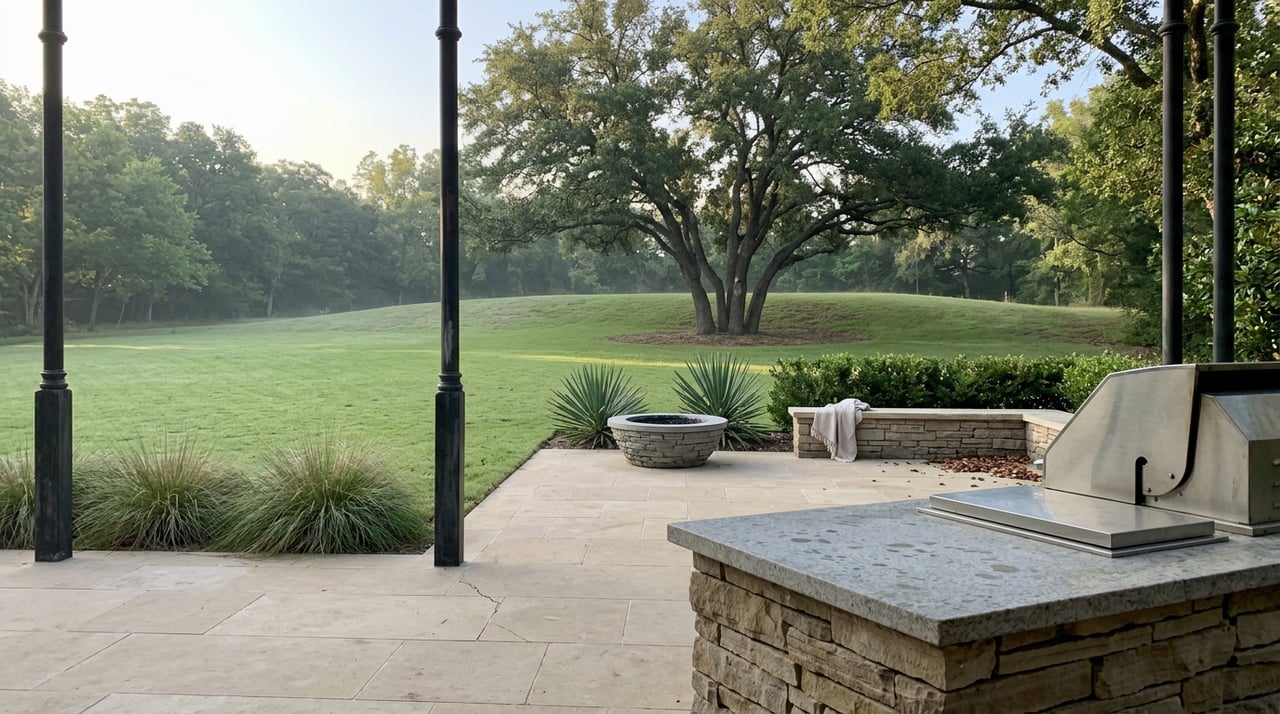
Are you dreaming about wide-open Hill Country views, room to build, and a little more privacy without feeling disconnected from Austin? Buying acreage in Dripping Springs, Driftwood, and Wimberley can be deeply rewarding, but it also comes with more moving parts than a typical home purchase. If you want to buy smart, you need to look beyond the scenery and understand how roads, water, septic, floodplain, and local rules shape long-term value. Let’s dive in.
Why acreage here draws buyers
Dripping Springs, Driftwood, and Wimberley offer a version of Hill Country living that feels spacious yet connected. Dripping Springs sits about 25 minutes west of Austin, while Wimberley is positioned in central Hays County between Austin and San Antonio. That combination helps explain why western Hays County continues to draw buyers who want both lifestyle appeal and practical access.
Hays County says its population has grown 26.27% since the 2020 Census, making it the fastest-growing county in Texas. For you as a buyer, that matters because growth affects everything from commute patterns to utility demand to future road improvements. Acreage here is not just a land purchase. It is a long-term planning decision.
Dripping Springs also carries a distinct identity as the Gateway to the Hill Country and as a Dark Sky Community. That adds to the appeal for buyers who value open views, a rural setting, and night-sky quality. In this market, the atmosphere of the land can be part of the value story.
Think beyond price per acre
Acreage buyers often focus first on size, topography, and views. Those are important, but they are only part of the picture. In western Hays County, the better question is whether the land can realistically support the way you want to use it.
That means looking at access, jurisdiction, water source, septic feasibility, floodplain limitations, and tax treatment before you fall in love with a tract. A beautiful property can become much less appealing if key infrastructure or permitting issues limit your plans. The strongest purchases usually balance emotional appeal with practical function.
Access and commute matter more than mileage
US 290 is the main east-west corridor for this area, and it is under active review and improvement by TxDOT. Public materials for the corridor describe widening plans across roughly 13 miles, along with 1,245 crashes from 2016 to 2022 and daily traffic volumes on the west end ranging from about 32,000 to 50,000 vehicles. Those numbers make one thing clear: route quality matters.
A tract may look close to Austin on a map but still feel far away in day-to-day use. Congestion, school traffic, event traffic, and road construction can all shape your actual experience. That is why it helps to evaluate the full drive, not just the distance.
Hays County is also working on projects intended to improve local connectivity. The Dripping Springs Southwest Connection is meant to provide an alternative to US 290 and improve safety and capacity southwest of Dripping Springs. In Wimberley, the Old Kyle Road project is designed to improve connectivity near Wimberley Square, Blue Hole Park, and nearby trail segments.
Driveway access is a real diligence item
On acreage, access is not just about whether a gate exists today. Hays County Transportation requires driveway and utility permits for work in the county right-of-way and publishes specifications and fee schedules. In other words, your access plan may need official review, not just contractor input.
If you are comparing multiple tracts, ask early whether there is legal access and whether a driveway concept appears workable. This can affect cost, buildability, and timing. It is one of those details that can quietly shape the whole ownership experience.
Jurisdiction can change your options
One of the biggest acreage questions is simple: who regulates the property? Hays County handles plat reviews, property compliance, and land subdivisions, but outside the San Marcos Airport zoning area it does not have general zoning authority. That means county properties may not function like city lots, and your diligence needs to focus on the rules that do apply.
For rural acreage, those rules often center on subdivision compliance, floodplain review, septic, driveway permits, right-of-way issues, and utilities. You should not assume that fewer layers of zoning automatically means fewer restrictions. It often means a different set of practical checks.
Dripping Springs adds another level depending on whether the tract is in city limits, in the ETJ, or outside both. Its residential review checklist notes that projects in city limits are subject to adopted building codes, and projects in city limits and ETJ are subject to zoning, land use, water quality, erosion controls, impervious cover, and signage reviews. Projects outside both city limits and ETJ generally go through the county.
Wimberley follows a similarly layered approach, with applications tied to ETJ development, subdivision plats, floodplain determinations, conditional use permits, and zoning changes. Before you assume what you can build or improve, confirm exactly where the tract sits from a jurisdiction standpoint.
Water and wastewater deserve early attention
Acreage shopping often starts with the land itself, but utility questions should move to the front of your process. Dripping Springs’ own checklist asks applicants to identify the water provider, wastewater service, septic details, easements, right-of-way, and buried utilities. That tells you how central these issues are in this market.
If a property is not on municipal water, you may be looking at a well or another service arrangement. In western Hays County, the Hays Trinity Groundwater Conservation District is the relevant authority for groundwater stewardship and provides information on drought management and well drilling. If a well may be part of your plan, treat that as a primary diligence item rather than a future detail.
Wastewater can be just as important. Hays County says all development and on-site sewage facilities in unincorporated areas require permits. The county’s OSSF process includes a site plan, location map, floor plan, tax account summary, and additional items for advanced systems.
Septic feasibility is not a minor detail
For many acreage buyers, septic is one of the most important technical questions. TCEQ says a site must be evaluated by a licensed site evaluator or licensed professional engineer before an OSSF is constructed, installed, altered, extended, or repaired. That makes septic feasibility a front-end issue.
Hays County also states that an OSSF permit will not be issued on a tract found to violate county subdivision regulations. So even if a property looks ideal on the surface, you still need to know whether the site and tract status support a compliant system. This is especially important if you plan to build, expand, or add structures over time.
Floodplain and creek restrictions can shape buildable area
In Hill Country acreage purchases, water features can be a major draw. They can also bring meaningful restrictions. Hays County says all development inside or outside a floodplain requires a county permit, and federally backed mortgages in floodplain areas require flood insurance.
That means floodplain review is not something to save for late in the process. You want to understand whether a creek, drainage pattern, or mapped flood area reduces your usable homesite, affects insurance, or changes where improvements can go.
Wimberley adds another layer near creeks and rivers. Its zoning regulations prohibit new buildings in special flood-hazard areas, limit septic tanks and drainfields in the PW district except in narrow cases, and restrict impervious cover near rivers and creeks while protecting riparian vegetation. If you are considering waterfront or near-water acreage, those rules can materially affect design and use.
Stewardship is part of ownership here
The best acreage purchases in this part of the Hill Country are not just about what you can build today. They are also about how the land will live over time. That includes water use, lighting, drainage, vegetation, and wildfire awareness.
Dripping Springs’ Dark Sky status is part of that story. The city says its lighting ordinance is intended to reduce light pollution and preserve the night sky. On acreage, exterior lighting choices can affect both your enjoyment of the property and how well it aligns with the area’s character.
Wildfire risk also deserves attention. Texas A&M Forest Service says much of the Hill Country west of I-35 supports an oak savannah fuel mix of timber, brush, and grass associated with significant wildfires. If you are buying land with dense vegetation, stewardship planning should be part of your ownership mindset from the beginning.
Taxes: land and improvements are separate
Acreage buyers are often surprised by how property taxes work on land-heavy purchases. Hays CAD states that land and improvements are treated separately in appraisal notices. If a property qualifies for agricultural, timber, or wildlife management special valuation, the notice also shows a productivity value.
That distinction matters because qualifying land is taxed based on productivity rather than market value. But Hays CAD is clear that agricultural appraisal applies only to land, and land that does not qualify is valued at market value. You should never assume a large tract automatically comes with low taxes.
This is especially important when you compare properties with homes, barns, guest structures, or other improvements. The emotional centerpiece may be the land, but the improvement value can still drive much of the tax and appraisal picture. A smart review looks at land value, improvement value, and any special-use treatment separately.
A practical acreage checklist
Before you move forward on a tract in Dripping Springs, Driftwood, or Wimberley, it helps to answer a few key questions:
- Is there legal access to the property?
- Does a driveway plan appear feasible under county requirements?
- Is the parcel in city limits, ETJ, or unincorporated county?
- What water source serves the tract?
- Is a well realistic if public water is not available?
- Has septic feasibility been evaluated?
- Are there floodplain, creek, or drainage constraints?
- How much of the tract is truly usable for your goals?
- How are land and improvements likely to be appraised?
- Is there any agricultural, timber, or wildlife valuation in place, and will it continue?
These questions may not be as exciting as a sunset view, but they are often what separate a smooth purchase from an expensive surprise.
Buying acreage is a systems decision
In this market, acreage is as much a systems purchase as a lifestyle purchase. The most successful buyers do not just ask whether a property is beautiful. They ask whether access, water, septic, jurisdiction, floodplain, and long-term stewardship all support the life they want to create there.
That is especially true in a fast-growing part of Hays County, where infrastructure, permitting, and land use details can have lasting impact on value. When you approach acreage with both vision and discipline, you put yourself in a much stronger position to buy well.
If you are exploring land, ranch-style homes, or lifestyle properties in Dripping Springs, Driftwood, or Wimberley, working with an advisor who understands both the appeal and the due diligence can make the process far more strategic. To start a thoughtful conversation about your goals, connect with Susan Barringer - Main Site.
FAQs
What should you check first when buying acreage in Dripping Springs, Driftwood, or Wimberley?
- Start with access, jurisdiction, water source, septic feasibility, and floodplain status, because those factors directly affect buildability and long-term use.
Why does jurisdiction matter for acreage in western Hays County?
- Whether a tract is in city limits, ETJ, or unincorporated county determines which reviews and rules may apply to building, land use, water quality, septic, and subdivision matters.
Do acreage properties in Hays County always have low property taxes?
- No. Hays CAD says land and improvements are appraised separately, and special agricultural valuation applies only when qualifying land use requirements are met.
Why is septic evaluation important for Hill Country acreage?
- TCEQ requires a site evaluation before an on-site sewage facility is installed or altered, and Hays County’s permit process makes septic feasibility a key early diligence item.
How do road projects affect acreage value in Dripping Springs and nearby areas?
- Ongoing TxDOT and Hays County road work can influence commute times, safety, access patterns, and overall convenience, so it helps to evaluate route quality, not just map distance.
What should you know about water and wells for acreage in western Hays County?
- If a tract is not served by public water, well planning becomes a major diligence issue, and the Hays Trinity Groundwater Conservation District is the relevant local groundwater authority for western Hays County.